How does online mediation work?
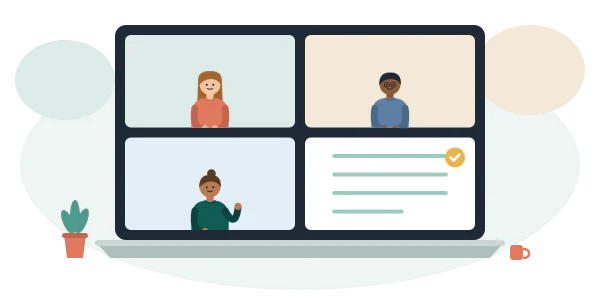
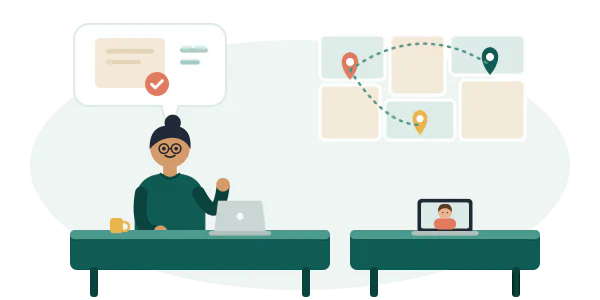
Online mediation works much like an in-person session, except that you meet the mediator, and the other side, by video or phone. The mediator still explains the process, helps you talk through the issues, can meet with each side privately in a separate virtual room, and makes sure any agreement is put in writing, which you can often sign electronically. In court cases, whether you can mediate online depends on your state's rules and your court's order.
This is general information, not legal advice. Rules vary by state, and individual courts may issue their own orders about how mediation is held. See how mediation works in your state →
When online mediation is allowed
Private mediation
If you are mediating before any case is filed, or by private agreement, the format is mostly up to you and your mediator. Many mediators offer video sessions, phone sessions, or a mix of online and in person.
Court-ordered mediation
Courts set their own rules. Some default to in person; others allow or encourage remote sessions. As one example, Florida's family rules say the order referring a case to mediation, or the parties' written agreement, may provide for mediation in person, remotely by audio or audio-video technology, or a combination, and that mediation is in person if the order doesn't say.1 Read your court's order, and if it's silent, ask the court or the mediator before you plan on joining remotely.
See court-ordered mediation for what else the order may require.
How an online session usually runs
The steps are the same as in person. What changes is the technology.
Step 1: Opening
Everyone joins the same video call. The mediator explains the process, their role, what is confidential, and ground rules for the call, such as no recording and how to ask for a break.
Step 2: Joint discussion
If it fits your case, everyone talks together in the main room. Some mediators skip this and keep the sides apart the whole time, which is often called "shuttle" mediation.
Step 3: Private sessions
The mediator moves between separate virtual rooms to meet with each side alone (a "caucus"). Ask ahead of time how the mediator's platform handles this.
Step 4: Attorney check-ins
If you have a lawyer, plan how you will talk privately, such as a separate breakout room or a phone call.
Step 5: Wrap-up
If you reach an agreement, it is written down and shared for review and signature. See is mediation legally binding?
Signing the agreement online
Many mediators send the agreement electronically for signature. Some court rules expressly allow it. Florida's family rule, for example, says signatures on a mediated agreement may be original, electronic, or by fax, and may be signed in counterparts, meaning each person signs a separate copy.1 Ask the mediator how signing will work and whether your court requires anything extra, such as filing or a judge's approval.
Confidentiality online
The confidentiality rules that apply to your mediation usually apply the same way online, and some state laws say so directly. Florida, for example, defines a mediation participant to include a person who attends "in person or by telephone, video conference, or other electronic means."2 Rules in other states differ, so ask your mediator what is private before you begin.
Important
Legal confidentiality rules don't control who can physically hear you. Use a room with a door, wear headphones, and keep children and other household members out of earshot. Don't record the session unless everyone, including the mediator, agrees.
Who online mediation can help
People often choose remote sessions when:
- the parties live far apart or in different states,
- travel, work schedules, or child care make meeting in person hard, or
- they would rather not be in the same room.
If you have safety concerns about the other person, online mediation may reduce physical risk, but it isn't a complete answer. Tell the mediator and the court about any safety concerns before you agree to a format. See when divorce mediation is not recommended.
Working with a mediator in another state
Online sessions make it easy to work with a mediator who lives elsewhere. For private mediation, that is often fine. For court-ordered mediation, a court may require someone from its own list. In Idaho family cases, for example, the parties may choose any person to act as mediator within 28 days of the order; if they don't, the court appoints one from the Idaho Supreme Court's roster.3 See do I need a mediator certified in my state?
Getting ready: a checklist
Tip
Do a five-minute test call with the mediator's link a day ahead. It's the easiest way to avoid losing the first half hour to audio problems.
Technology
- Use a computer if possible. A phone works, but documents are harder to read.
- Charge your device and have a backup way to call in.
- Know how to mute, turn your camera off, and rejoin.
Documents
- Have your key documents ready as files and, if useful, on paper.
- Ask the mediator in advance how to share documents and how the agreement will be signed. Our guide on how to prepare for divorce mediation has a checklist.
Your space
- Quiet, private, and well lit.
- Water, notes, and planned breaks. Online sessions can be tiring.
Problems during a session
If the connection drops, rejoin or call the number the mediator gave you. If you feel pressured, unsafe, or unable to take part, tell the mediator privately or ask for a break. You can also ask to continue another day.
To find a mediator who works online, browse by state, or get matched and say you prefer online sessions. For tips on comparing mediators, see how to find and choose a mediator.
This is general information, not legal advice.
Not sure who to choose? Get matched
Answer a few short questions. We send your request to mediators who can receive it and handle cases like yours, and they contact you. Free, and you’re never obligated.
Frequently asked questions
How does online mediation work?
You meet the mediator, and the other side, by video or phone instead of in an office. The mediator explains the process, can meet with each side privately in a separate virtual room, and makes sure any agreement is put in writing.
Is online mediation allowed in court cases?
Often, but it depends on your state and your court. Some court rules let the referral order or the parties' written agreement provide for remote mediation and default to in person otherwise. Read your order or ask the court.
Is a video mediation confidential?
The same confidentiality rules that apply to your mediation usually apply whether you join in person or online, and some state laws say so expressly. Still choose a private space, since no law stops someone in your room from overhearing.
Can I sign the agreement electronically?
Often, yes. Some court rules expressly allow electronic signatures on mediated agreements. Ask the mediator how signing will work and whether your court has special requirements.
Can I use a mediator from another state online?
For private mediation, often yes. If a court ordered mediation, the court may require a mediator from its own list. See our guide on whether you need a mediator certified in your state.
Sources
-
Fla. Fam. L. R. P. 12.740(b), (f)(1) (eff. Oct. 1, 2026) — https://www-media.floridabar.org/uploads/2026/09/2027_04-OCT-Family-Law-Rules-of-Procedure-10-1-2026.pdf ↩ ↩2
-
Fla. Stat. § 44.403(2) (2026), definition of "mediation participant" — https://www.flsenate.gov/Laws/Statutes/2026/44.403 ↩
-
Idaho Rules of Family Law Procedure, Rule 602(e) (amended eff. Jan. 1, 2026) — https://isc.idaho.gov/rules-procedure/irfl#rule-602 ↩
Find a mediator near you
Court-verified listings come only from official court and government rosters and link to their source. Prefer a shortlist? Get matched with up to 3 mediators.